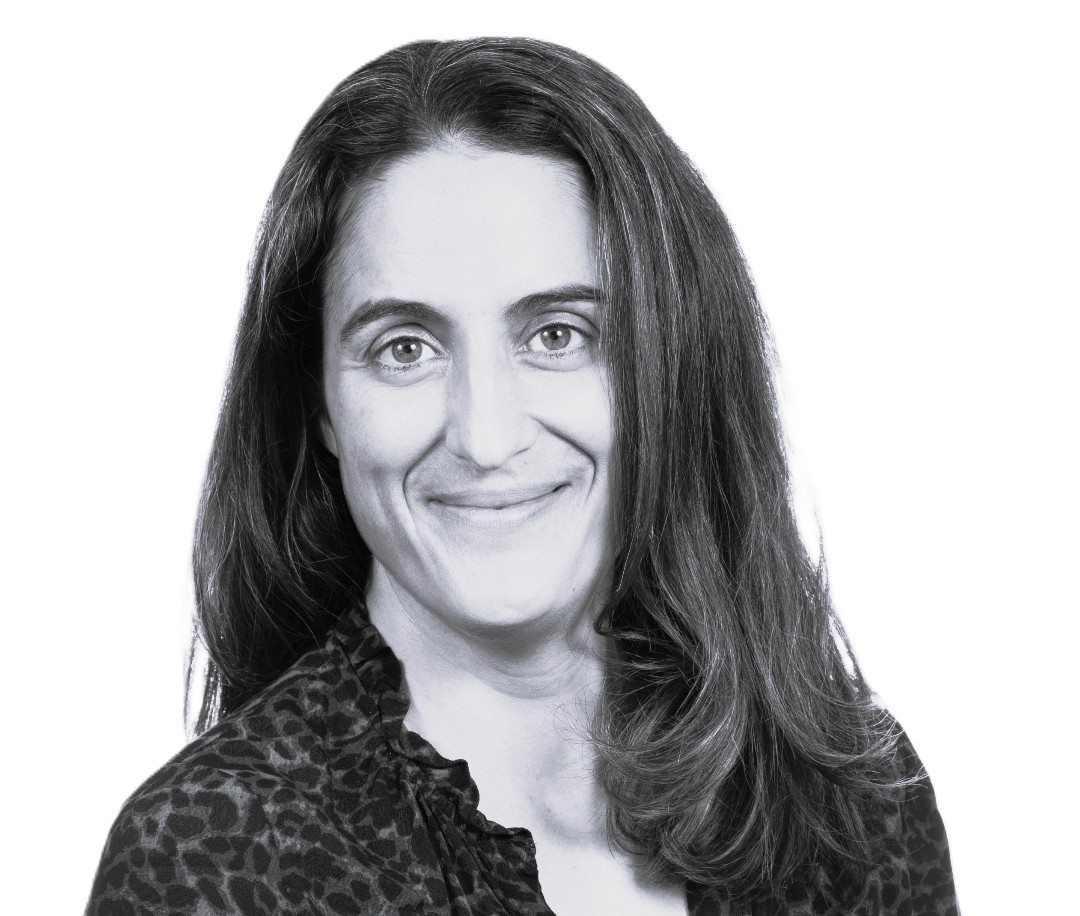
My general research focus is neural plasticity, the mechanism by which we are able to learn new skills or even re-learn them during recovery from brain injury, such as stroke or peripheral nerve injury. I use a combination of mathematical modelling and neuroimaging to understand the biological basis of plasticity in humans with the aim of optimising therapeutic techniques used to promote plasticity, such as non-invasive electrical stimulation. I take a multidisciplinary approach to systems neuroscience and my work involves the integration of mathematical modelling with neuroimaging data. I use data acquired with electroencephalography (EEG), functional magnetic resonance imaging (fMRI) or magnetic resonance spectroscopy (MRS) to measure alterations in electrical, metabolic and chemical properties following brain stimulation. Plastic changes in the brain in response to learning occur across multiple spatial scales from the synapse to the network and research done to understand this phenomenon must also integrate information across these scales. I develop mathematical models of neural activity that link our knowledge of biological processes at the microscopic scale to systems level observations obtained with EEG or MRI. Ultimately, I use these models to make testable predictions about the effects of stimulation on plasticity.
Search for Caroline Lea-Carnall's papers on the Research page